Goorambat East Solar System.
What
we know so far
At the
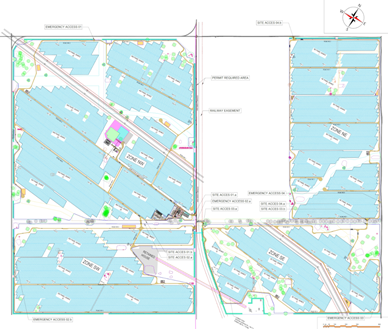
Goorambat East Solar Farm which has been installed by Engie, the planning
process started with Neoen. The project was then sold to Engie. As part of the
consultation process a number of promises had been made with regards to the
height of the panels to allow sheep to graze under the panels, Mature trees to
be planted around the facility, complete upgrade of roads and infrastructure
around the facility, and a $140,000 Community fund.
Planning
changes then occurred without further community consultation and as a result
the community feels betrayed and lied to.
While the
facility is visually an “eyesore” and degrades from the aesthetics of the local
farming landscape it is seen as a passive facility.
The number
of Solar Facilities that are currently active have resulted in surplus electricity production at peak times,
forcing facilities to temporarily disconnect from the grid. There has been a consequence that in
the middle of the day with full sunshine that the grid is now producing too
much power with the generation cost going to zero or even a negative figure
whereas a facility must disconnect the power from the grid.
To make a
solar Facility viable, Solar Companies are now stating that you cannot have a
solar facility without a Battery System to reduce the peaks and troughs. To put
it in simple terms, energy will be stored during the middle of the day, whether
this be from the Grid or from the solar facility and released either in the
morning or afternoon peak. This not only reduces the peaks and troughs but also
allows for the companies to take advantage of the pricing changes.
Community Fears
As per the
advantages and disadvantages of the Solar Facilities and BESS, (whether with a
Solar Facility or stand alone), the fears of the community need to be addressed
in the development of these facilities. Without falling into the argument about
climate change and the environmental cost of the facilities, renewable
facilities are required.
While
Battery Energy Storage Systems (BESS) face acute fire-safety anxieties, the
broader push for renewable energy facilities—including utility-scale wind
farms, solar fields, and high-voltage transmission lines—triggers a distinct
set of community fears.
Public opposition often stems from a feeling that rural landscapes are being industrialized to power distant cities, resulting in localized anxieties across several core areas:
1. Landscape Transformation and Eco-Anxiety
- Visual Amenity Destruction: The sheer scale of modern wind turbines (often exceeding 250 metres in height) and sprawling solar arrays radically alters scenic, rural, or coastal vistas, leading to a sense of lost community identity.
- Ecological Disruption: Communities frequently express deep concern over local wildlife impacts, specifically bird and bat collisions with wind turbine blades, and the clearing of native vegetation or habitats for solar fields and access roads.
- Loss of Arable Land: Similar to BESS opposition, farming communities fear that converting prime agricultural land into renewable hubs threatens regional food security, local farming economies, and multi-generational agricultural legacies.
2. Health and Sensory Anxieties
- Wind Turbine Noise and Infrasound: A persistent source of anxiety is the low-frequency noise and sub-audible infrasound generated by rotating wind blades. Some residents fear this causes "Wind Turbine Syndrome," attributing symptoms like sleep disturbance, headaches, and anxiety to nearby turbines.
- Shadow Flicker: The moving shadows cast by wind turbine blades passing before the sun can create a strobe-like effect on nearby homes. Residents fear this causes visual disruption, headaches, and increased stress within their own living spaces. [
- Solar Glare: Neighbours of large-scale solar installations often worry about "glint and glare," fearing that massive fields of glass panels will reflect blinding light into nearby homes or create hazards for local aviation and passing drivers.
- BESS Noise Low frequency noise emitted by BESS installations affecting nearby residences.
3. Economic and Property Devaluation
- Plummeting Property Values: A primary driver of local resistance is the fear that proximity to industrial wind turbines, massive solar fields, or towering transmission lines will make residential properties unsellable or severely reduce their market value.
- Asymmetrical Economic Benefits: Host communities often feel exploited, believing that multinational energy developers reap massive profits while local residents shoulder all the visual and environmental burdens, receiving little more than temporary construction jobs, if any.
4. High-Voltage Transmission Line Fears
- Electromagnetic Fields (EMF): The construction of new, high-voltage overhead transmission lines to connect remote renewables to the grid triggers severe health anxieties. Residents worry about long-term exposure to EMFs, often associating them with elevated cancer risks, despite strict regulatory safety thresholds.
- Bushfire Escalation Risks: In fire-prone regions, communities fear that overhead lines could spark devastating bushfires during extreme weather events. Furthermore, landowners worry that the physical presence of massive transmission towers will restrict aerial firefighting water-bombers from safely defending their properties.
- A directive has been issued by Ausnet that in the Goorambat Stewarton area the lines have now sagged so much that you are unable to operate harvesting equipment near the lines resulting in 400mtr wide areas that cannot be used for crops.
5. Procedural Injustice and Lack of Trust
- Tokenistic Community Consultation: A recurring complaint among regional communities is that developers engage in "tick-a-box" consultation after major project decisions have already been finalized, leaving residents feeling ignored and powerless. This has now been renamed and reformatted to “Drop-in Sessions” rather than “town hall“ meetings so the consultancy company,(s), can control the narrative.
- Override of Local Planning Laws: Public anger intensifies when state or federal governments bypass local municipal councils to fast-track renewable energy approvals, fuelling a perception that urban-centric climate policies are being forced onto rural populations.
Core Community Expectations
·
Procedural
Fairness: Residents expect their input to genuinely shape the project, rather
than being treated as a "tick-a-box" exercise for a predetermined
design.
·
Proactive
Transparency: Communities demand immediate, unedited access to project scopes,
environmental impact statements, and financial models without needing to rely
on Freedom of Information laws.
·
Local
Benefit Parity: Host communities expect tangible, long-term economic returns
that outweigh the local visual and structural disruption.
·
Landscape
Protection: Locals expect developers to actively avoid highly productive
agricultural land, culturally significant areas, and critical wildlife
corridors.
What Should Happen During the Planning Stage
To align
with these expectations, developers and regulatory authorities must execute a
structured, open planning process.
1.
Early-Stage Engagement (Before Designs are Finalized)
·
Pre-Design
Town Hall meetings: Host open-floor forums before drawing up final site maps to
map out local concerns, identifying sensitive boundary lines or prized local
vistas.
·
Independent
Community Liaison Officers: Appoint neutral, locally accessible liaisons who
live in the region to act as a direct, unvetted pipeline between residents and
project directors.
2.
Comprehensive, Independent Impact Assessments
·
Micro-Siting
Adjustments: Conduct transparent noise, shadow-flicker, and glint-and-glare
studies, and show exactly how turbine or solar panel layouts were modified to
protect nearby homes.
·
Localized
Bushfire and HazMat Modelling: Partner with local emergency services (such as
the CFA in Victoria) to design explicit, fully funded emergency management
plans before applying for planning permits. This should include the local
District office and the brigades surrounding the facility as they will be the
primary responders to emergencies.
·
Baseline
Property and Ecological Audits: Fund independent, third-party assessments of
surrounding property values and local water tables to establish a baseline for
future accountability.
3.
Formalised Benefit-Sharing Frameworks
·
Direct
Electricity Subsidies: Establish community energy credit schemes that directly
slash utility bills for all households within a specific radius of the
facility.
·
Neighbourhood
Benefit Agreements: Offer direct financial compensation or annual dividend
payouts to immediate neighbours who bear the highest visual impact.
·
Legacy
Infrastructure Investment: Commit to legally binding legacy funding to upgrade
local community assets, such as upgrading secondary rural roads, funding
schools, or building community halls.
4. Clear
End-of-Life Commitments
·
Guaranteed
Decommissioning Bonds: Secure upfront, legally binding financial bonds or bank
guarantees to ensure the developer—not the local council or landowners—covers
the full cost of dismantling the facility and restoring the land to its
original state.